
 Deutsch
 Français
 Español
 Italiano
 Português
Hentai
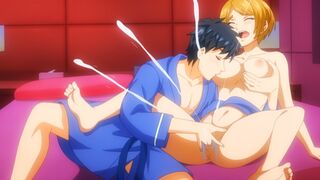







The Complete Guide to Hentai: History, Culture, and Enduring Appeal of Japanese Erotic Animation
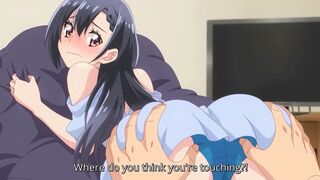
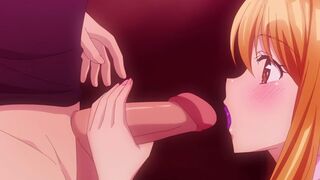
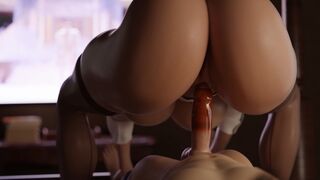
Hentai has turned into one of the best-known and looked up words in the world of grown-up fun. This special type of Japanese cartoons and drawings mixes clear sexual stuff with the colorful, styled looks of anime and manga. While many find hentai through online searches or fan talks, few know its deep past, cultural background, and why it keeps charming many people around the world. This detailed look goes into where hentai came from, how it changed over time, and why it matters; giving a view into a genre that goes beyond plain adult themes to become a special form of art and storytelling.
The Etymology and True Meaning of Hentai
The word "hentai" has many meanings that show its path. In Japanese, the signs 変態 mean "change" or "shift," but as time passed the word changed to mean strange or wrong behavior. During Meiji time in the late 19th and early 20th years, Japanese teachers and thinkers used “hentai” to talk about odd sexual wishes, using ideas from European books like Richard von Krafft-Ebing's Psychopathia Sexualis. Now in modern Japan saying someone is a “hentai” just means calling them a pervert.
Outside of Japan, the word got a whole new meaning. Fans in the West during the 1990s started using “hentai” to mean any adult anime or manga. This change made a big split: in its home country, it often means something very extreme or forbidden, but worldwide it is used as a general name for animated adult stuff. This change in language shows how sharing cultures can fully change what a word means.
Ancient Roots in Japanese Erotic Art
The picture style of hentai goes back many years before the first moving images showed up. During Japan’s Edo time (1603–1868), artists made shunga—meaning “spring pictures”—which were printed on woodblocks showing sex in bright, open detail. These pieces decorated personal collections, were given as gifts, and sometimes helped teach new couples. Well-known ukiyo-e artists like Hokusai and Utamaro made shunga with their more famous scenes and portraits proving that sexy art had a valued place in the world of art!
Shunga showed many types of close actions with great inventiveness, often using fun, dreams, and social thoughts. The big sizes and smooth lines found in these old prints directly affected the large body shapes and lively poses that mark today’s hentai drawings. When Japan changed during the Meiji Restoration, the official views on clear images became stricter; this pushed sexy art below the surface but never killed it.
The Birth of Modern Hentai in Anime and Manga
The change from still pictures to moving stories happened slowly after World War II. The 1950s and 1960s had a rise in adult magazines that pushed the limits of what was okay to show. By the late 1970s, small manga groups—especially the doujinshi part—started sharing open sexual tales. One important work often pointed out as a key moment is the 1979 book Cybele which helped start a special market for adult comics.
The 1980s saw the real burst of hentai as a drawn style. Early titles showed fans full-length adult anime, lots of which used make-believe parts to get around strict local rules. The famous Urotsukidoji (Legend of the Overfiend) series, came out between 1987 and 1989, turned into a world cult hit and showed Western watchers the genre’s special mix of fear, fantasy, and open sexuality. All through the 1990s and early 2000s better drawing methods and rise in home video types let makers create shinier and bolder works; this made hentai its own kind within Japanese media.
How Japanese Censorship Shaped Creative Expression
Tough dirty laws have deeply shaped hentai's look. The 175 law of Japanese Criminal Code made in 1907 and still works, stops the sharing of "dirty" stuff. In real life, this has meant that clear pictures of body parts and hair down there must be hidden by blurs, light rays or art changes. Instead of holding back imagination these rules pushed makers to find new ways.
Tentacle stories, for instance, came about partly as a clever fix: strange limbs could show action without revealing human body parts. This let creators avoid legal issues while allowing for fun and wild ideas. The well-known “ahegao” face—big eyes turned back, tongue out, and red cheeks—also became popular since it showed great joy without needing clear pictures of the body. These unique limits turned into well-loved features that fans around the globe now cheer as signs of this kind of work
The Diverse Themes and Styles Within Hentai
Hentai tales cover a wide range. Some pieces focus on love or drama where feelings push the bold scenes, letting characters build real bonds during strong physical meetings. Others dive into pure make-believe, showing meetings with strange beings, space folks, machines or mythic beasts that break the rules of nature and science.
Power roles show up often, looking at rules of control and yielding in both willing and unwilling ways, but the last one stays purely imagined. Ideas of change—be it real body shifts or symbolic moves in wish—match the first meaning of the word “hentai.” The type also has funny takes that use jokes to shape sexual moments, as well as gloomier, deeper looks at forbidden topics. This mix makes hentai reach a wide group with different likes and dreams.
Why Hentai Holds Such Strong Global Appeal
Many things show why this type of story stays popular. First, animation takes away the moral worries linked to real-life actors; each character is just a drawing, which stops any real-world harm. Second, this form lets makers bring dreams to life that can’t happen in the real world—huge body shapes, crazy situations,, and perfect command over all sight details.
The unique art style is very important too. Big, lively eyes, bright colors and smooth movement make a strong visual experience that lots of people think is more interesting than usual adult films. For fans who grew up on popular anime, hentai seems like a natural step from favorite childhood shows mixing old memories with grown-up ideas. Also the hiding nature of watching animated content attracts folks who may feel uneasy about real-life scenes In this time when streaming and online sharing have made things easy to get everywhere hentai's open fantasy world has found eager crowds all around the globe
Hentai’s Place in Contemporary Culture and Media
Today, hentai shapes popular culture in small but clear ways. Memes with big faces, character looks, and sounds have made their way into regular internet talk. Cosplayers bring favorite characters to life at events while fan artists create many new pictures each day. The doujinshi world is alive, with self-made creators still finding new paths and trying out fresh ideas away from business limits.
All over the world, hentai has turned into a door for many to find more Japanese media. Fans often find famous anime after they meet the adult side of this art form first. This mix has helped keep interest in Japanese language, style, and story-telling customs among younger folks!
Addressing Common Misconceptions About the Genre
A lot of people think hentai is just about strong or harsh stuff. While some parts do look at tough topics, this type also has many pieces that focus on shared enjoyment, love, and fun adult themes. Another common mistake links animation to real-life approval of bad actions. In truth most makers and fans clearly keep dreams apart from actual life, seeing hentai as a safe spot for looking into wishes that stay purely made-up
Some people say that some characters look young but Japan law and business rules see these as made-up adult figures not kids. The type's fake nature lets makers look at tricky thoughts and social ideas without using real folks.
The Future of Hentai in the Digital Era
As tech moves ahead, hentai keeps changing. Online sharing has taken away location limits, letting makers reach fans all over the world right away. Better animation tools allow for better quality work; while virtual reality and interactive styles offer even deeper experiences. At the same time ongoing talks about morals, consent in stories and culture show that this kind of art stays lively and thoughtful?
Even with changing places and new views in society, the main charm of hentai stays the same: the joy to look into human sex through endless art ideas. From old shunga prints to now’s sharp animations, this type has always changed but kept its unique mix of passion, dreams, and art visuals.
To sum up hentai is much more than just adult fun. It shows Japan’s long history of erotic art, shaped by years of creativity and culture deals. Whether you like it for its skills, story richness or bold look at fantasy, hentai still catches attention and starts talks all over the world. Knowing its past and setting shows a smart cultural thing that's found its big spot in global media.
