
 Deutsch
 Français
 Español
 Italiano
 Português
Trampling















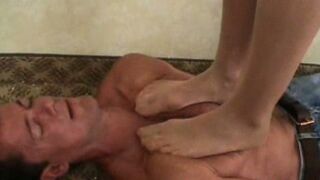
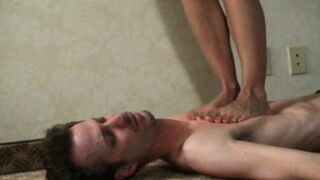





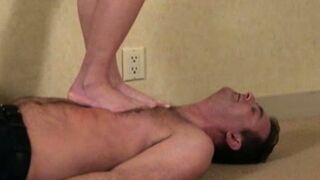
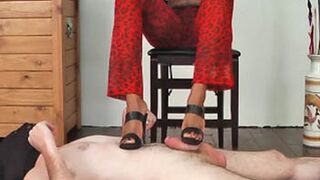

Understanding the Trampling Fetish: A Comprehensive Guide
In the varied world of adult likes, trampling is a way that mixes feelings of touch, power roles, and mental closeness. This like has one person stepping or walking on another's body, often causing a mix of joy and slight pain. As interest in other forms of closeness grows, more people are trying trampling as a method to strengthen bonds and test limits. This guide looks into the basics of the trampling like giving ideas about its nature history parts safety tips and more – all while stressing consent and well-being!
What is Trampling?
Trampling is a kind of sexual act where one person, often in charge, uses their feet to push down on the body of another, usually more passive partner. This can go from soft stepping to stronger walking or standing, making feelings that mix hurt with excitement. The draw often comes from the touch and the meaning of being in control, where the person underfoot feels a deep sense of giving up. Unlike other interests that may look only at things or certain body parts, trampling involves all body as a space for looking around. People who do this say it’s an engaging experience that makes them more aware of feeling and weight, changing normal actions like walking into exciting ceremonies For a lot of people, it’s not only about the body move but also the feeling share that goes with it, help build trust between couple.
The interest can be added to bigger BDSM acts or liked by itself. It's key to say that trampling is always agreed upon, with clear talking making sure that both people have fun from the meeting. Wrong ideas sometimes show it as only rough, but in truth, it can be changed to different levels of strength, which makes it easy for new folks and skilled fans too.
The History and Origins of Trampling
The start of trampling goes way back to old shows of strength and giving in, where stepping on a person meant winning or being in charge. Old stories from different groups show signs of like practices in ceremonies or punishments, even if they were not always about sex. In later years, trampling became known as a popular fascination within the BDSM world during the 1900s, shaped by more people seeing different kinds of love. Early talks showed up in mind studies and secret writings, where it was tied to foot likes and wanting pain.
By the end of the 20th century, with the growth of online groups and special forms of media, trampling found a loyal crowd. It changed from small interests into a type of adult fun, showing wider changes in society's view on different ways to express sexuality. Now, it’s shaped by worldwide sharing of thoughts, with differences noted in various areas. This change shows how trampling has moved from acts that show power to a shared practice aimed at mutual joy.
Different Types of Trampling
Stepping has many types, each made for the likes and ease of those taking part. One usual kind is no-shoe stepping, where the stronger partner uses their bare feet to share weight evenly over the weaker person's body, making a warm and close bond through touch. This style often focuses on softness and can be a good start for beginners, letting them slowly add more pressure.
Another well-liked style includes shoes, like socks or stockings, which bring a layer of feel and can boost the touch experience. The smoothness of these things is different from the hard steps, giving a special mix of ease and excitement. For people wanting more strength, shoe-related trampling brings in items like flats or boots, where the bottom's surface changes the pressure spots and can make feelings stronger.
High-heel stepping stands for a tougher kind, needing careful handling because of the strong pressure from the heels. This kind increases the excitement but needs exact skill to stop pain from going too far. Face stepping, a special part, aims at the head and face area, often adding mental parts of weakness. No matter which kind you choose, the main point is changing the practice to keep it fun and inside set limits
Safety Considerations in Trampling
Putting safety first is very important in any body play, and trampling is not different. The human body has parts that can take pressure better than other parts so knowing the body's structure helps stop unwanted injury. For example, paying attention to strong areas like the back chest or thighs makes it safer to spread weight while staying away from tender spots like neck spine or belly cuts down dangers.
Talking is the base of safe stepping. Setting up a safe word or sign helps the giving partner to show when to wait or quit, making sure the act stays agreed on. Starting easy with less pressure grows comfort and lets both people feel how things are going. Using soft surfaces, like mats or cushioned spots, can soften hits and give steadiness for the leading partner
Watching body reactions is key; signs of too much effort, like hard time breathing or strange hurt, should make you stop right away. Aftercare, which includes soft comfort and looking for any spots, helps in getting better and builds the trust. By following these rules, trampling can be a nice time without hurting health.
Psychological Aspects of Trampling
Outside of the body, trampling digs into deep mind flows. For the one who submits, being stepped on can bring up feelings of letting go and relief, giving a way to escape from daily worries. This yielding often builds a sense of strength through weakness as trusting a partner with this control can boost self-knowledge
From the leader's view, stepping on someone gives a way to show control and concern at the same time. The job of guiding how strong it is means being kind and paying attention, making this act a shared trip of discovery. Many people who practice say that the swap of power makes feelings closer, since it needs truth about what one wants and what they can't take.
In the mind, stepping on someone links with ideas of hurt and joy, where happy chemicals come out during this act to make a natural buzz. This can cause deep bonds, as lovers find their way between pain and bliss. Knowing these mental parts helps clear up the fetish showing it as a rich kind of human feeling.
How to Get Started with Trampling
Starting on trampling starts with thinking about yourself and talking openly. People who are interested in the fetish should first learn about it, maybe by reading or joining polite online groups. Finding a good partner is important; having shared likes and clear hopes makes for good times.
Getting ready means making a cozy space, without distractions, with things like pillows for comfort. Starting with little sessions helps you get used to it, beginning with light weight and slowly adding more as you feel sure. Trying out different spots, like lying down flat or using things to hold onto for support, can help improve the skill!
Learning all the time is good. Thinking about each meet helps tweak likes and make things safer. Whether adding trampling into old ties or trying it for the first time, waiting and respect makes sure it turns into a happy part of a person's private life.
Conclusion
Stepping on, as a liking, gives a special way to look at the links between body, mind, and want. From its past roots to today’s forms, it shows how human feelings change over time. By focusing on safety; talking together and agreeing with each other, people can find joy and closeness in it. Like any close activity - the real worth comes from personal growth and ties it builds making it an interesting pick for those who feel connected to its ways.
